Explore our projects
Promotion of small-scale irrigation and solar mechanization models
Sikasso, Koulikoro (Mali)
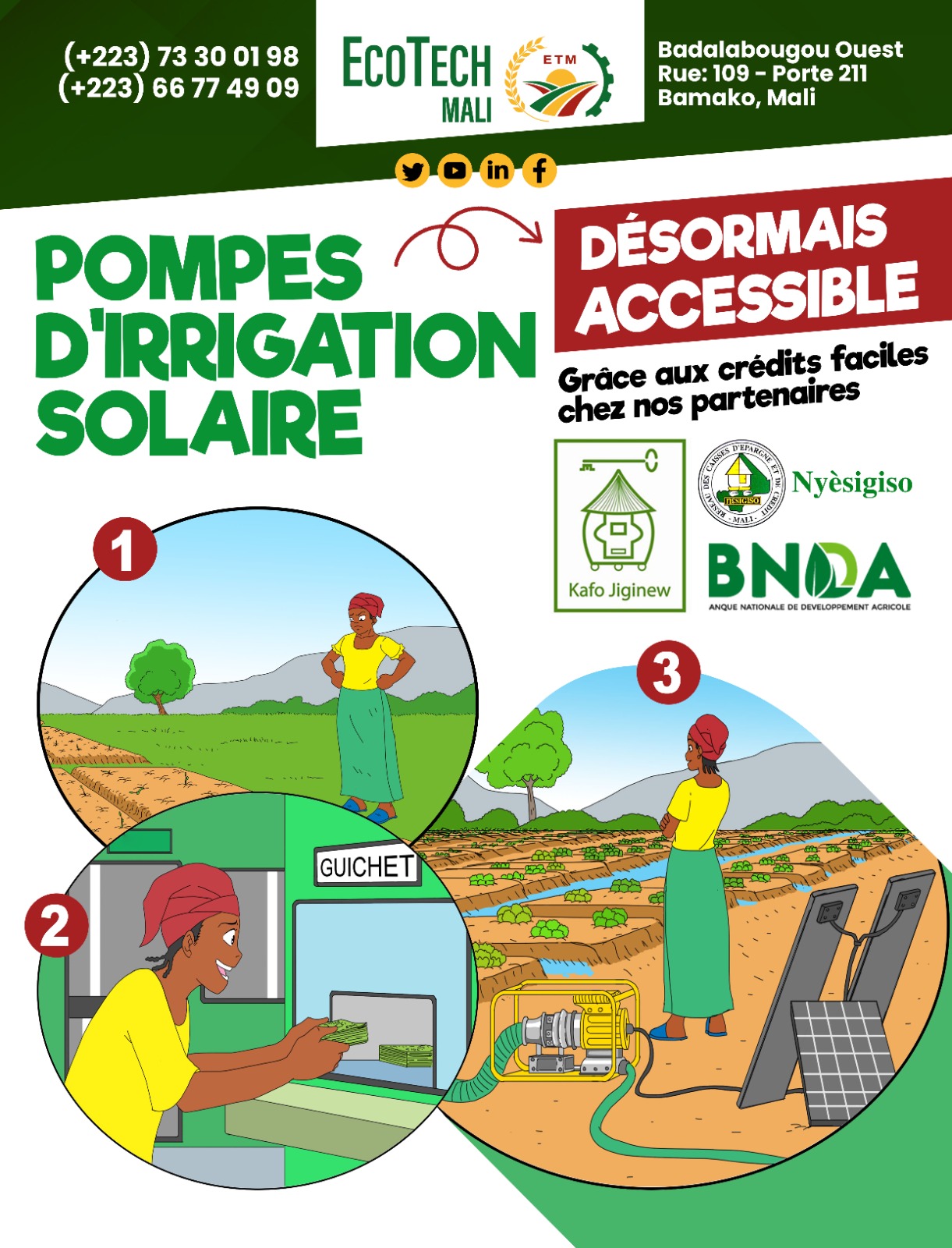
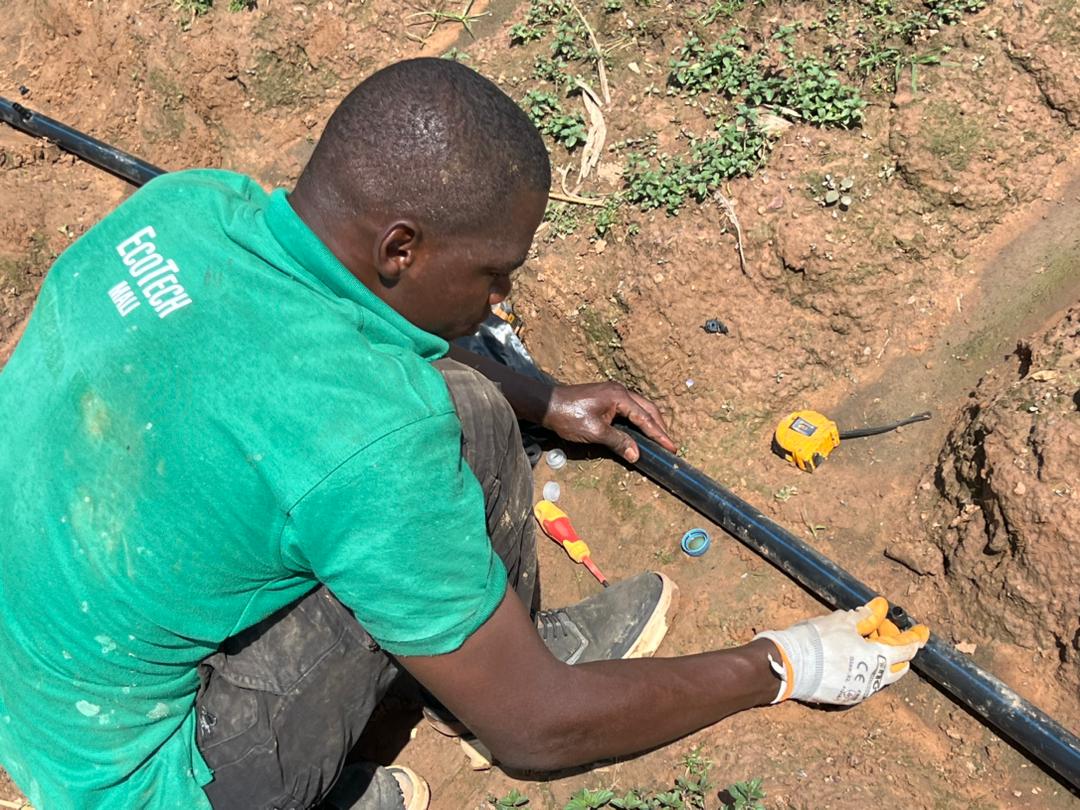
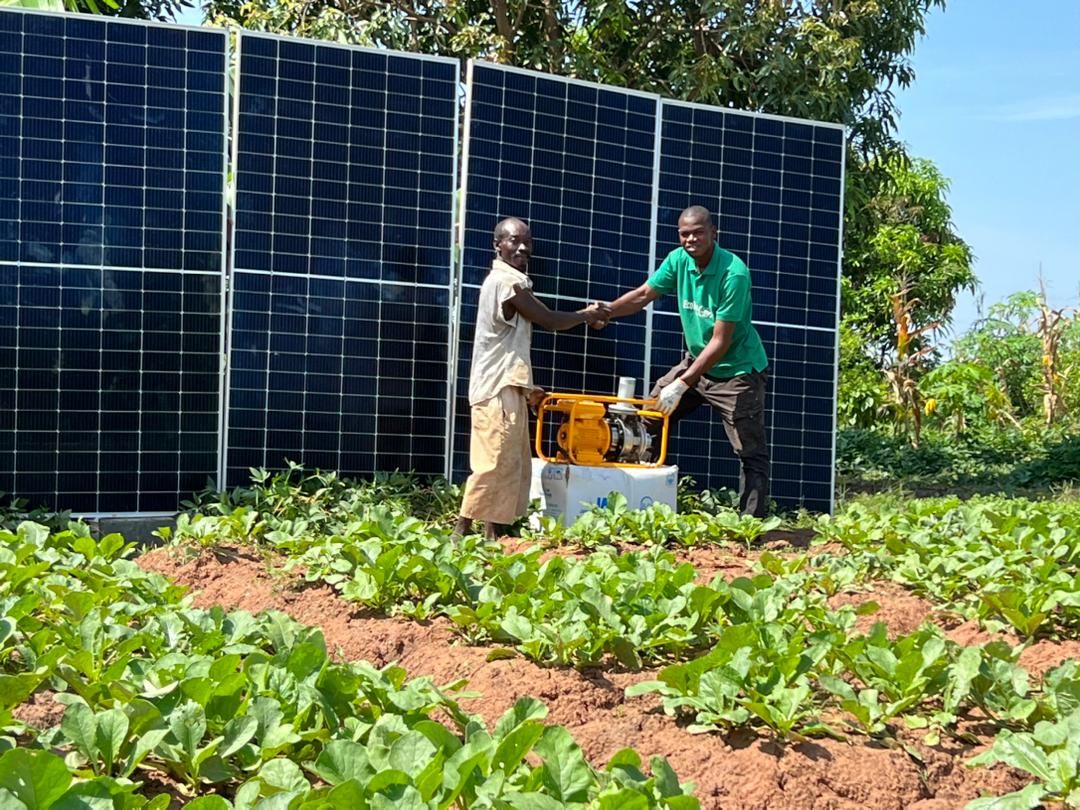
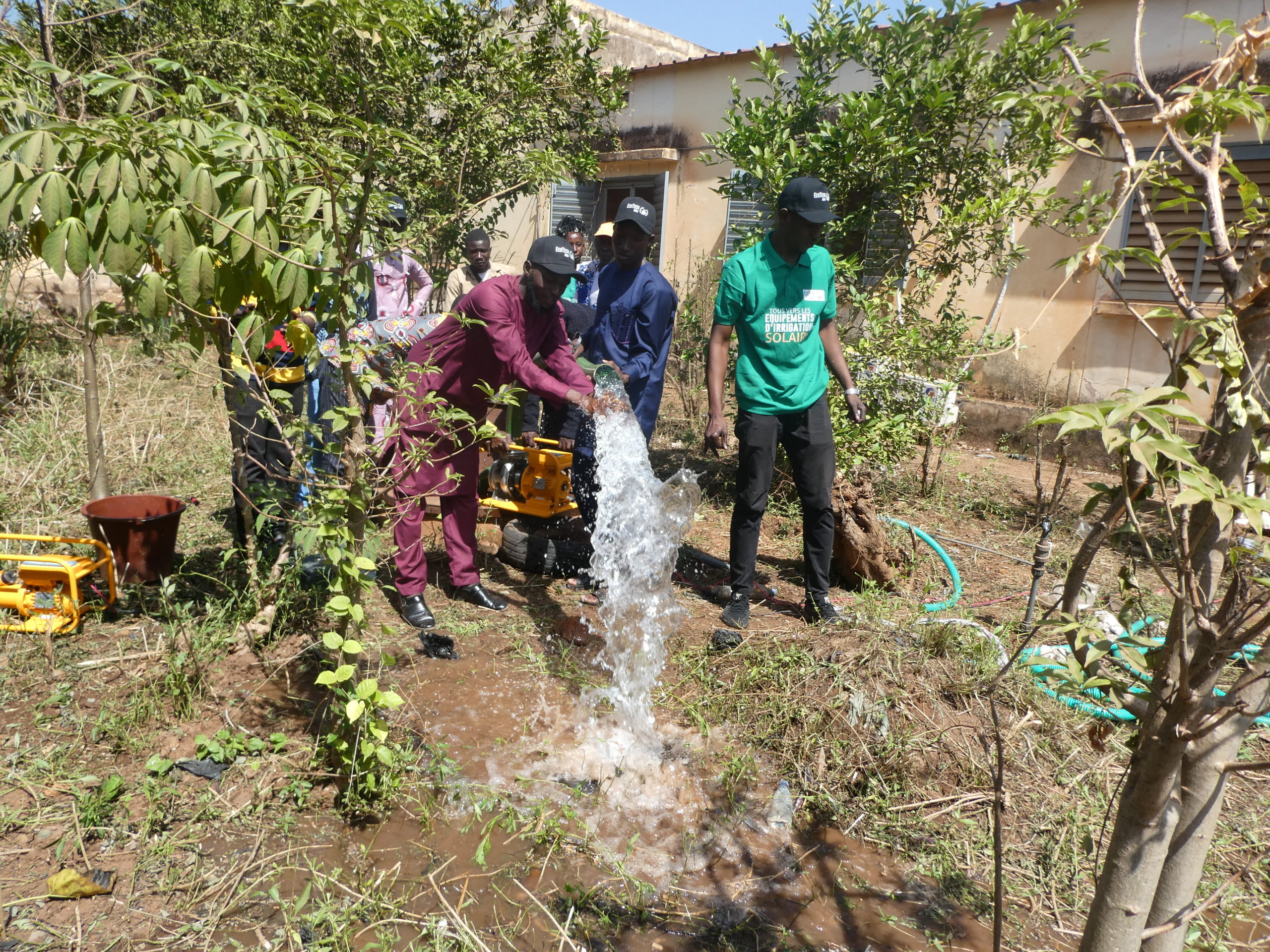
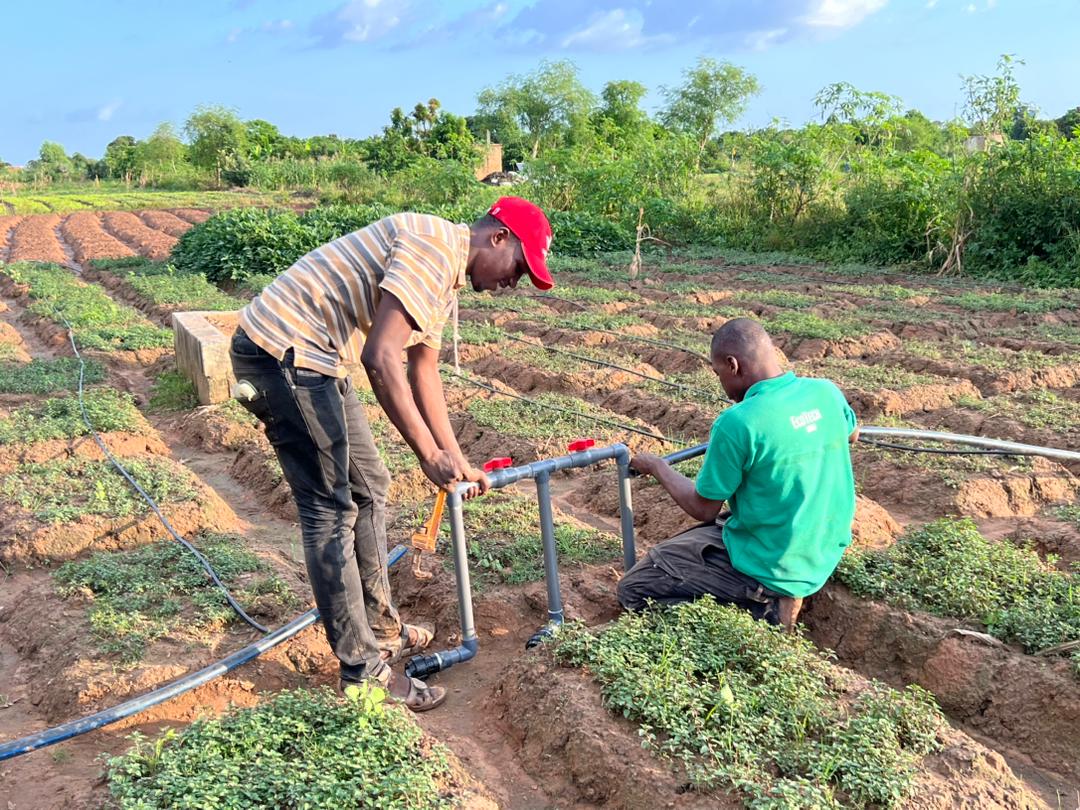
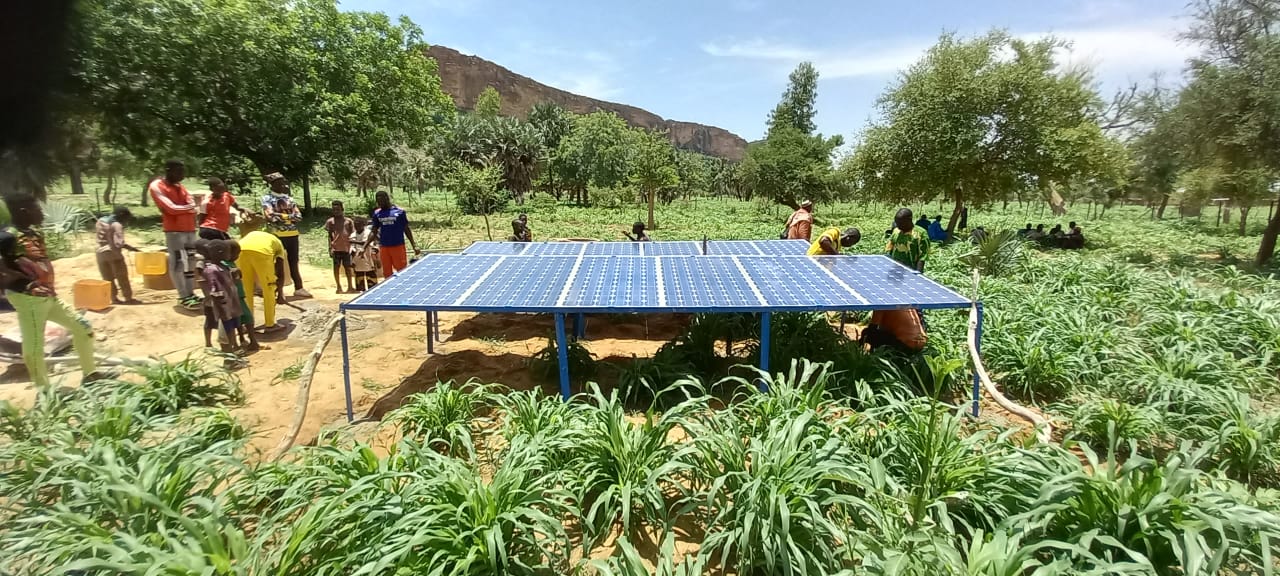
As part of its Strategy 3.0 in Mali, AGRA has funded the program “Strengthening the Production and Productivity of Rice, Maize, and Resilient Crops (millet/sorghum, cowpeas) for smallholder farmers by promoting innovative financing models for small-scale solar irrigation equipment in Sikasso and Koulikoro,” initiated by Ecotech Mali. This project aims to promote innovative financing models for the adoption of small-scale solar irrigation equipment in the Sikasso and Koulikoro regions.
The grant benefits 80,000 farmers and aims to increase agricultural production and productivity for corn and rice in the Koulikoro and Sikasso regions through the implementation of sustainable irrigation systems and green energy-powered mechanization, thereby contributing to food security and increased agricultural incomes for smallholder farmers.
The specific objectives are as follows:
Increase farmers’ access to solar pumps, high-performance irrigation systems, and other solar-powered agricultural equipment by 20 percent, in order to boost agricultural productivity for rice, corn, millet, sorghum, and cowpeas;
Strengthen partnerships between solar equipment suppliers, farmers, financial institutions, and government agencies to create an ecosystem conducive to the adoption of solar technologies in agriculture.
Objectives
agri-solar farms
agricultural-solar satellite farms
Producers discover new technologies
solar equipment sold
solar equipment sold
Partners
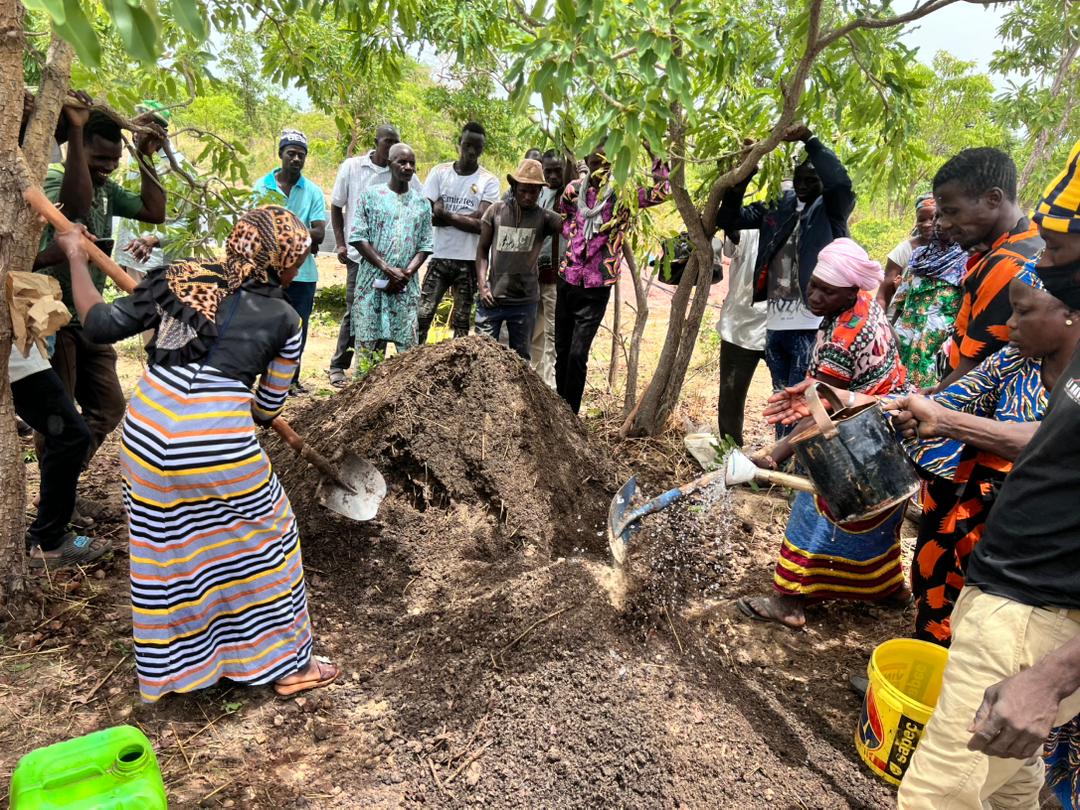
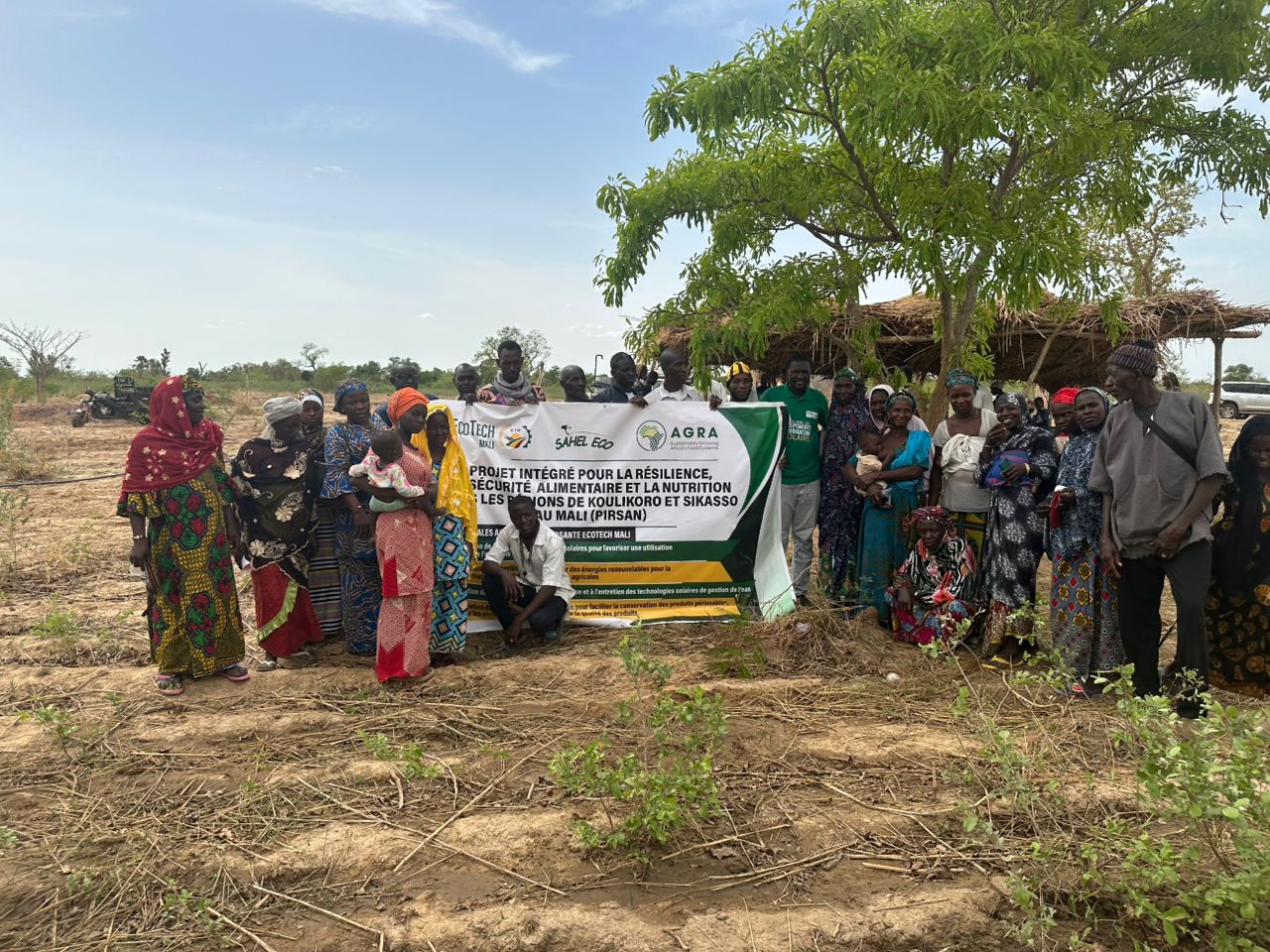
Integrated Project for Resilience, Food Security, and Nutrition in the Koulikoro and Sikasso Regions of Mali (PIRSAN)
Sikasso, Koulikoro (Mali)
Establishment of 10 integrated agri-solar mother farms (2 to 5 ha) and
200 agri-solar satellite farms (other crops) (2 to 3 ha).
80,000 farmers (30% of whom are youth and women) have been introduced to solar technologies and efficient irrigation systems.
400 solar-powered irrigation systems sold to targeted actors in the value chain
80,000 producers have been introduced to innovative payment models for green equipment and technologies
A framework document for the financing mechanism detailing the contributions and responsibilities of each party has been developed
Formal agreements/memoranda with financial institutions
Conditions for matching grants and PAYGO models Outcome described
%
%
%
Partners
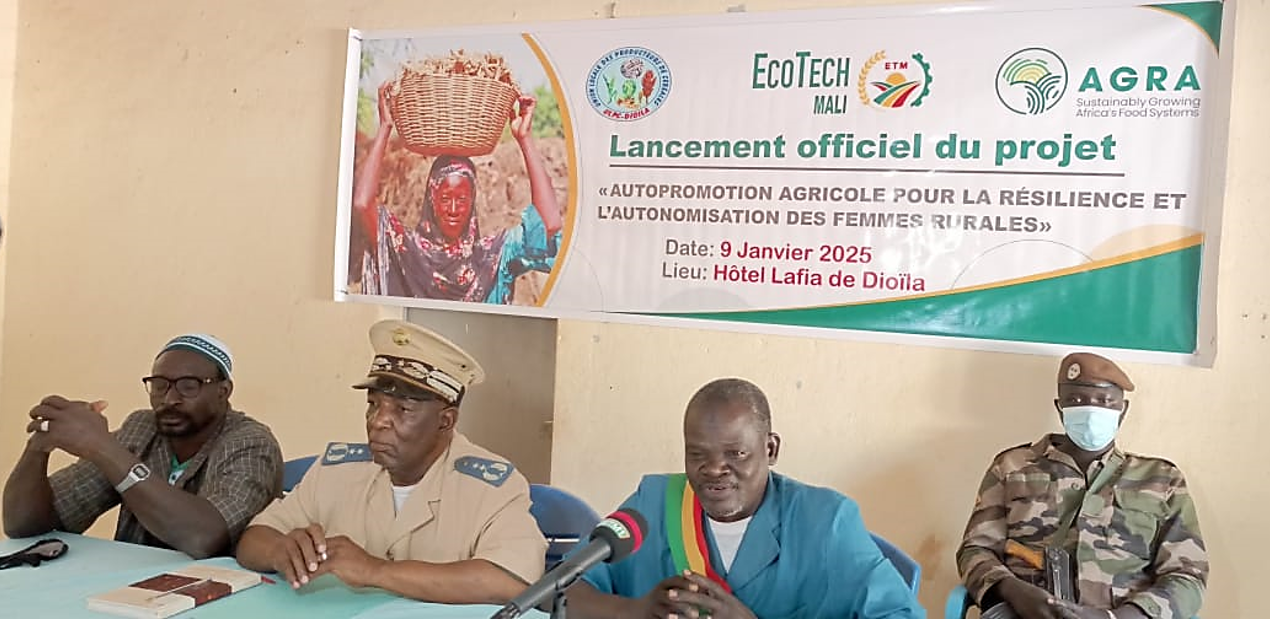
Agricultural Self-Promotion for the Resilience and Empowerment of Rural Women in the Koulikoro and Sikasso Regions
Sikasso, Koulikoro (Mali)
Mali faces major challenges related to malnutrition, particularly among pregnant and breastfeeding women and young children, due to limited access to iron- and zinc-fortified crops (sorghum, millet, cowpeas). Rural women, although central to agriculture, struggle to access technologies that improve productivity and climate resilience. The underdeveloped vegetable farming sector limits crop diversification in the face of climate deregulation, while limited agricultural processing leads to post-harvest losses and reduces incomes, thereby affecting the food, nutritional, and economic security of rural communities.
To address these issues, AGRA, as part of its Strategy 3.0, has funded the project “Agricultural Self-Promotion for the Resilience and Empowerment of Rural Women in the Koulikoro and Sikasso Regions,” led by the Local Union of Cereal Producers (ULPC) in partnership with ECOTECH MALI. This project’s activities are generally focused on supporting women and youth, with a particular emphasis on pregnant and breastfeeding women.
The overall objective is to strengthen the resilience and empowerment of rural women in the Koulikoro and Sikasso regions by improving agricultural productivity and food security through the adoption of innovative technologies and practices, thereby reducing the impacts of climate variability and climate change on their livelihoods.
The specific objectives are:
Strengthen the adoption of climate-resilient agricultural practices and technologies among rural women to improve yields of millet, sorghum, and cowpeas.
Develop and promote vegetable farming and processing activities to diversify agricultural production, reduce post-harvest losses, and combat malnutrition among pregnant and lactating women, as well as young children.
Strengthen the entrepreneurial capacities of rural women and facilitate their access to credit, infrastructure, and markets to enhance their economic resilience and improve their livelihoods.
%
%
%
Partners
REPIC Pilot Project
Sikasso, Koulikoro (Mali)
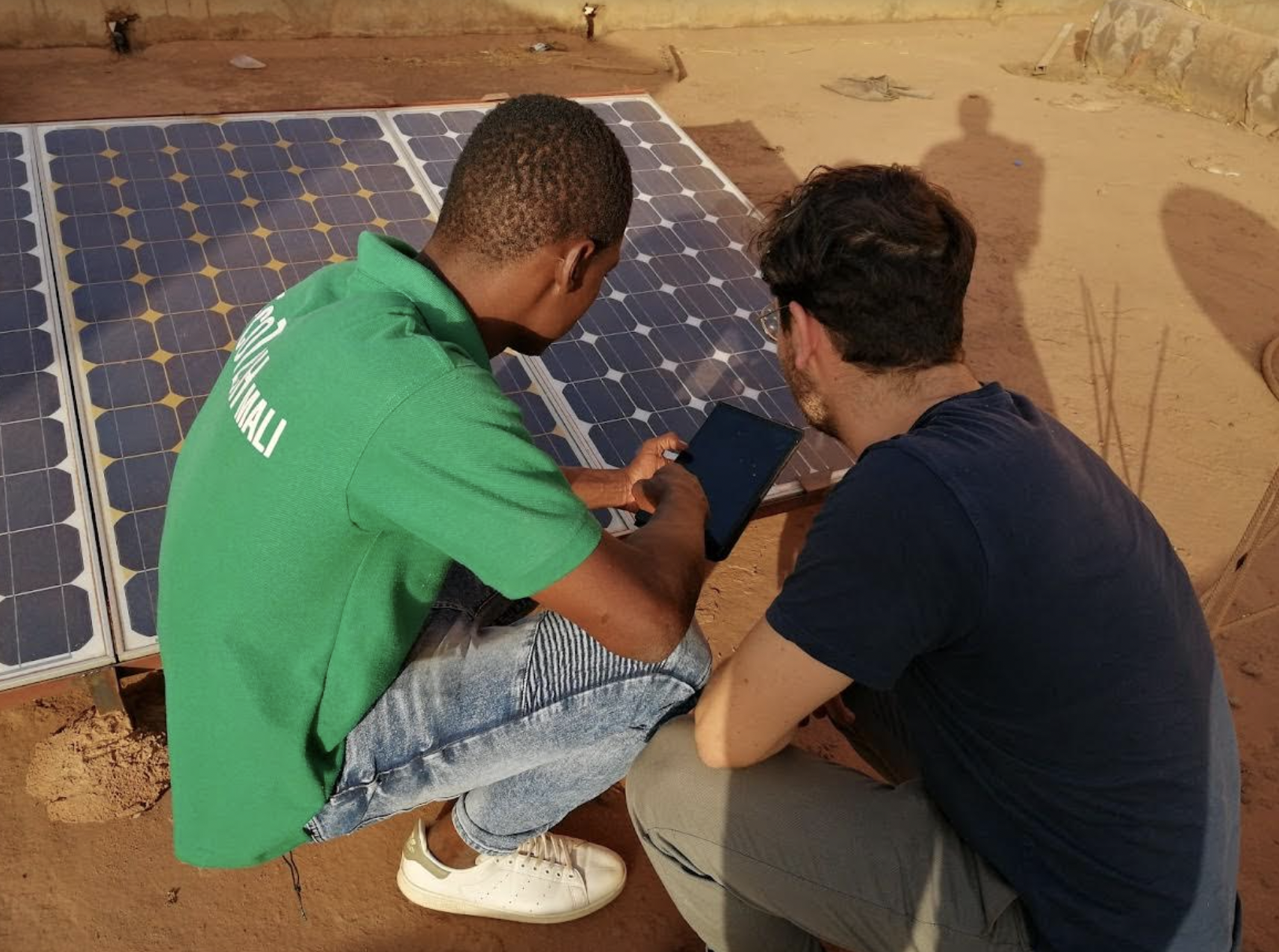
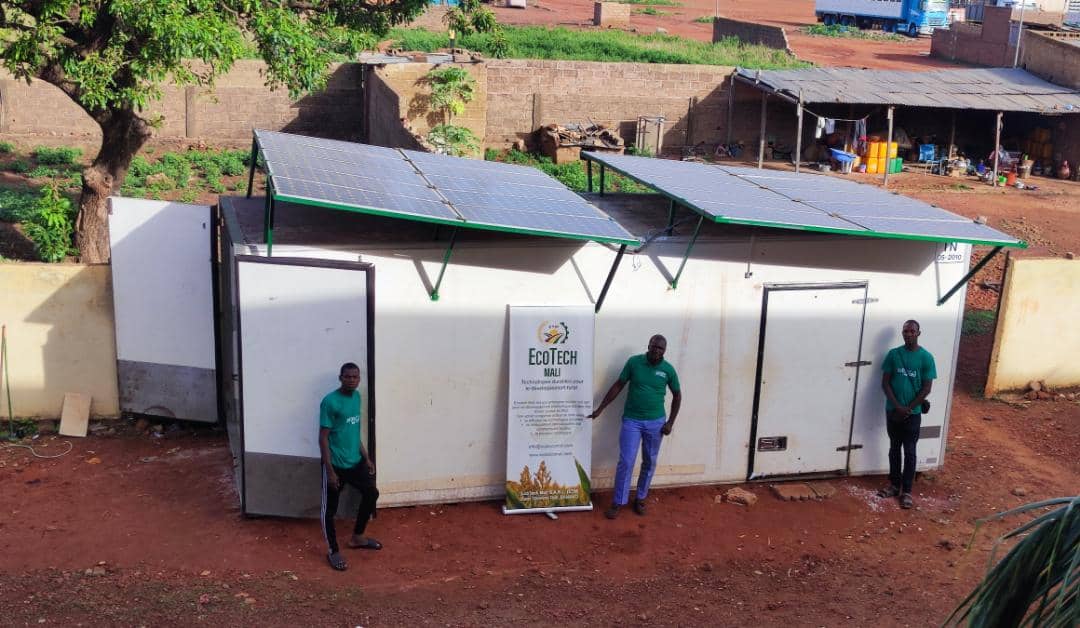
In countries with high levels of solar radiation, the energy requirements for refrigeration and food storage are very high. At the same time, the sun offers enormous potential. Mali is a case in point: due to the sunny climate of the Sahel region, the country enjoys approximately 3,000 hours of sunshine per year. A lack of storage options and inefficient storage technologies contribute to crop losses.
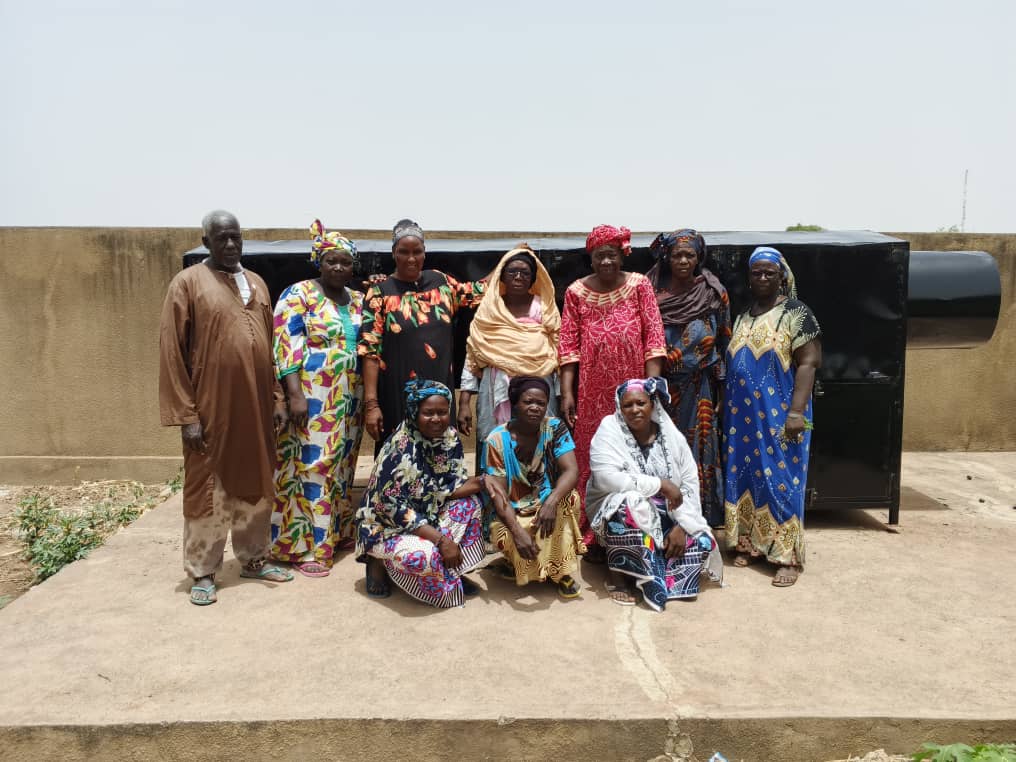
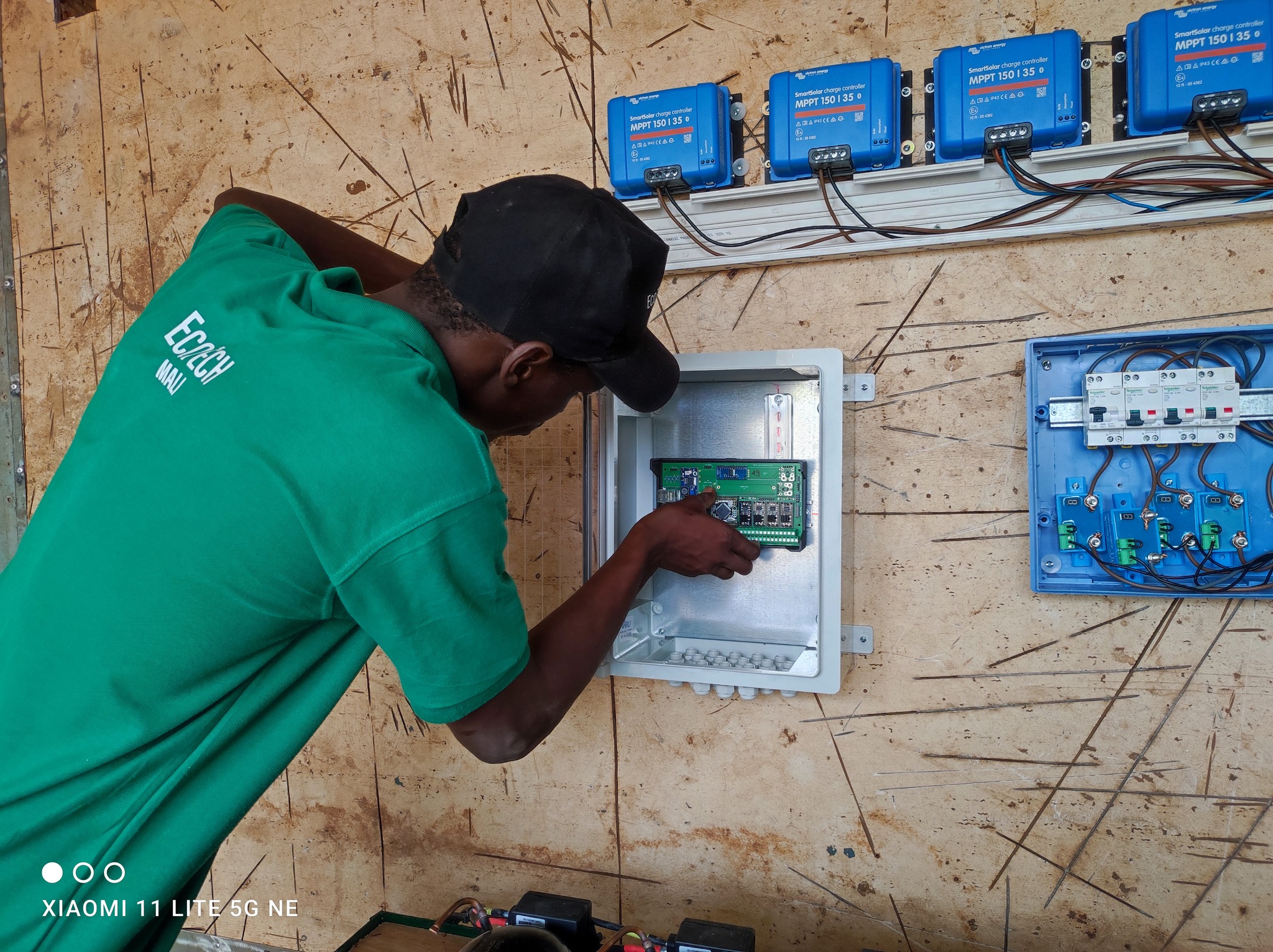
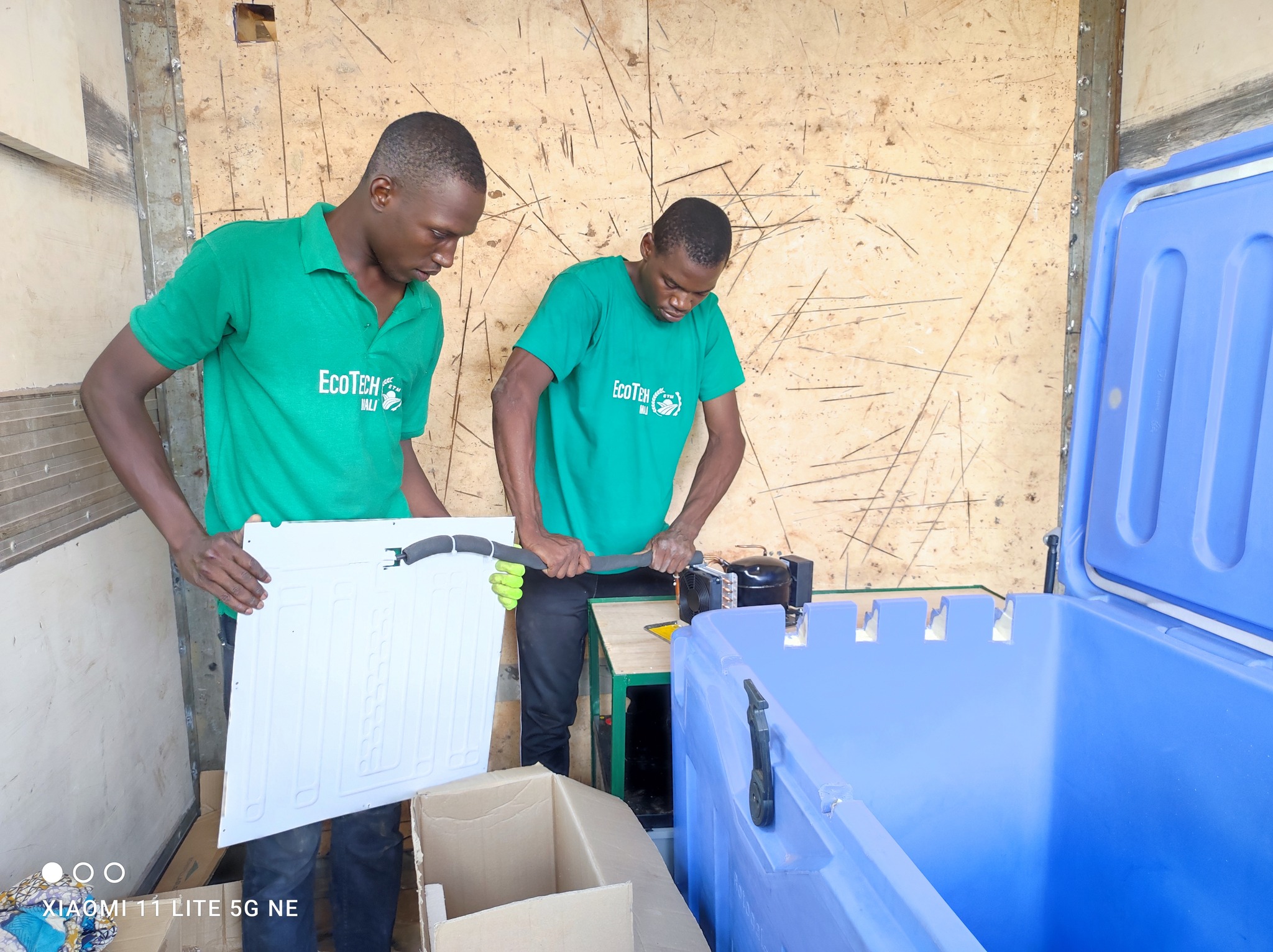
Jointly funded by the Swiss State Secretariat for Economic Affairs (SECO), the Swiss Agency for Development and Cooperation (SDC), the Swiss Federal Office for the Environment (FOEN), and the Swiss Federal Office of Energy (SFOE), REPIC supports EcoTech Mali in implementing a pilot project in collaboration with the energy unit of the Antenna Foundation and Solar Cooling Engineering (SCE). As part of this initiative, five solar-powered cold storage units are made available to Malian agricultural cooperatives to improve the preservation of crops and seeds.
Thanks to improved preservation of crops made possible by refrigeration, yields can be significantly increased. To ensure that local landowners and farmers make optimal use of the cold storage facilities, training sessions were offered throughout the project. Regular data collection facilitates the replication of similar projects.
In total, this is expected to improve the living conditions of 500 Malian farmers.
%
%
%
Partners
Feed The Future ILSSI: Innovation Lab for Small-Scale Irrigation
Sikasso, Koulikoro (Mali)
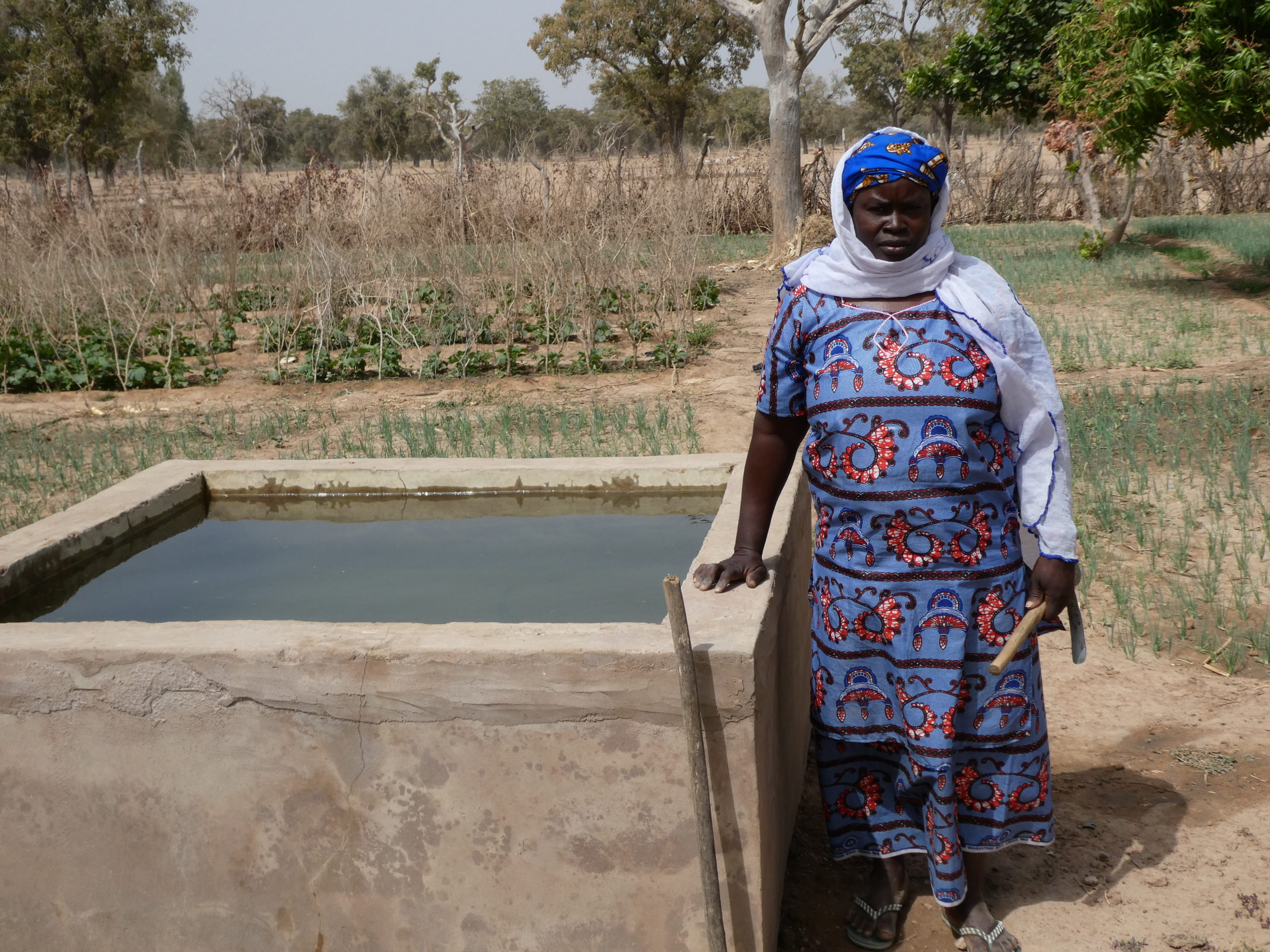
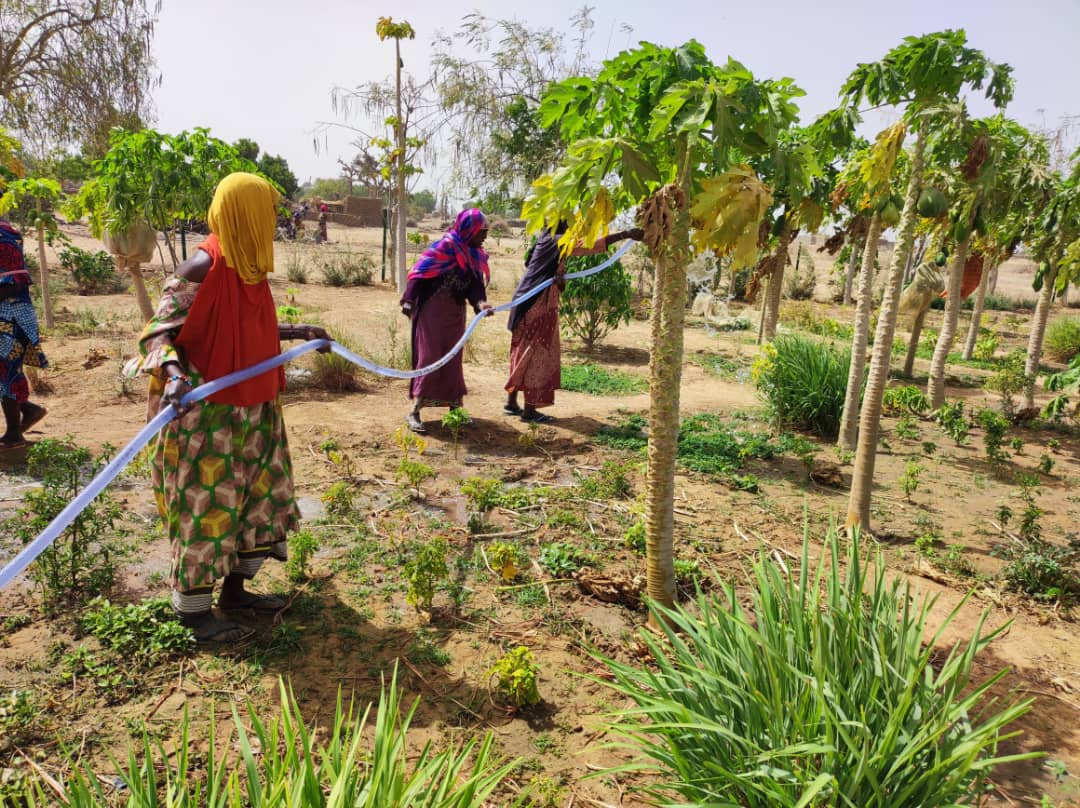
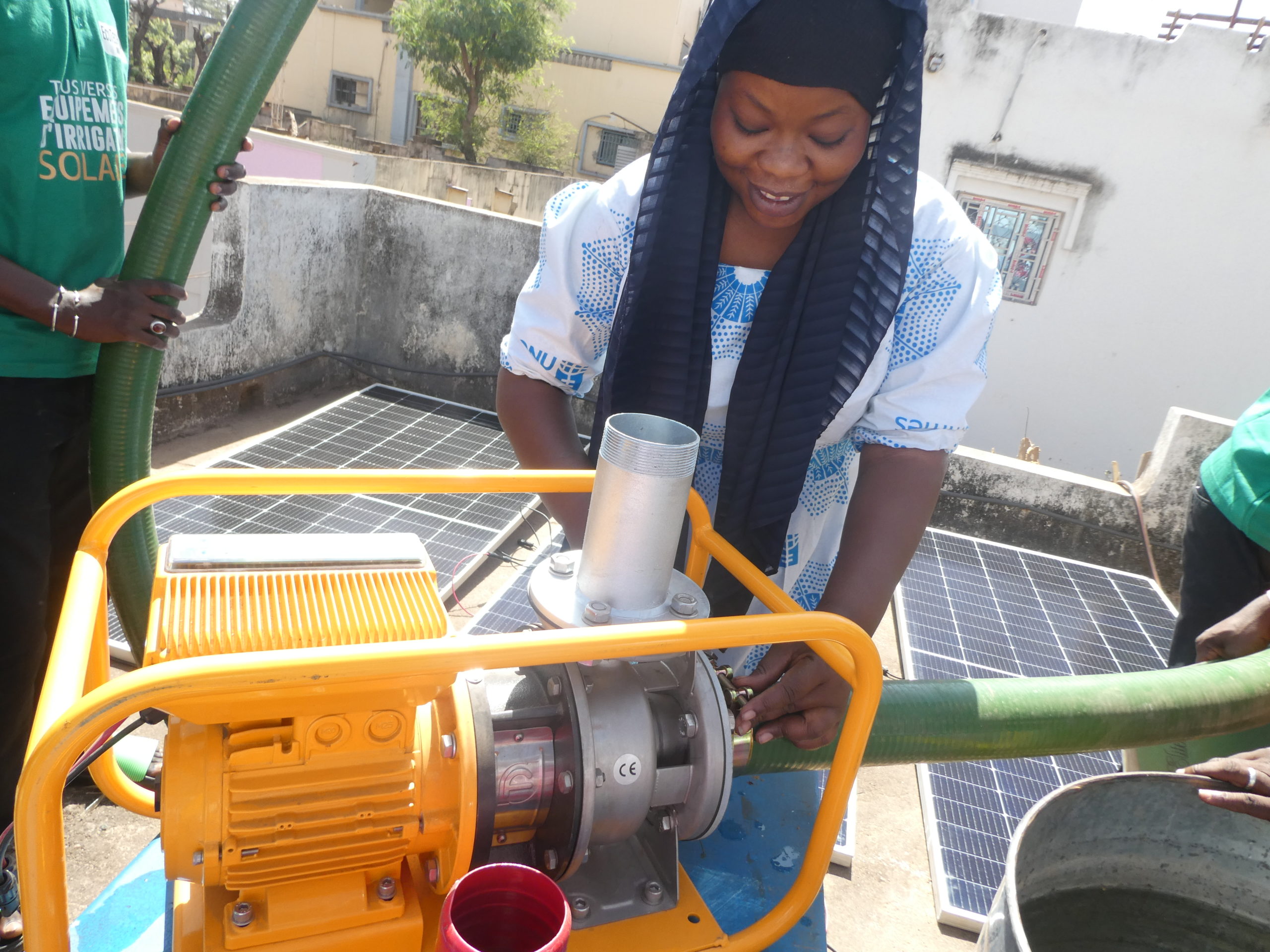
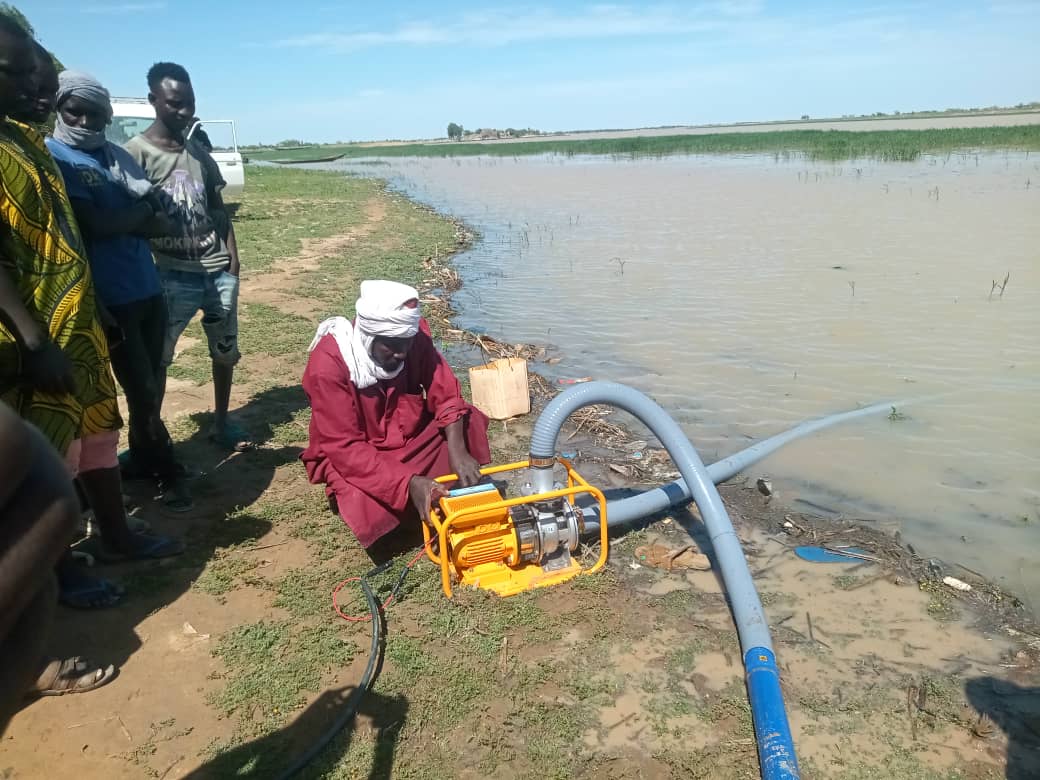
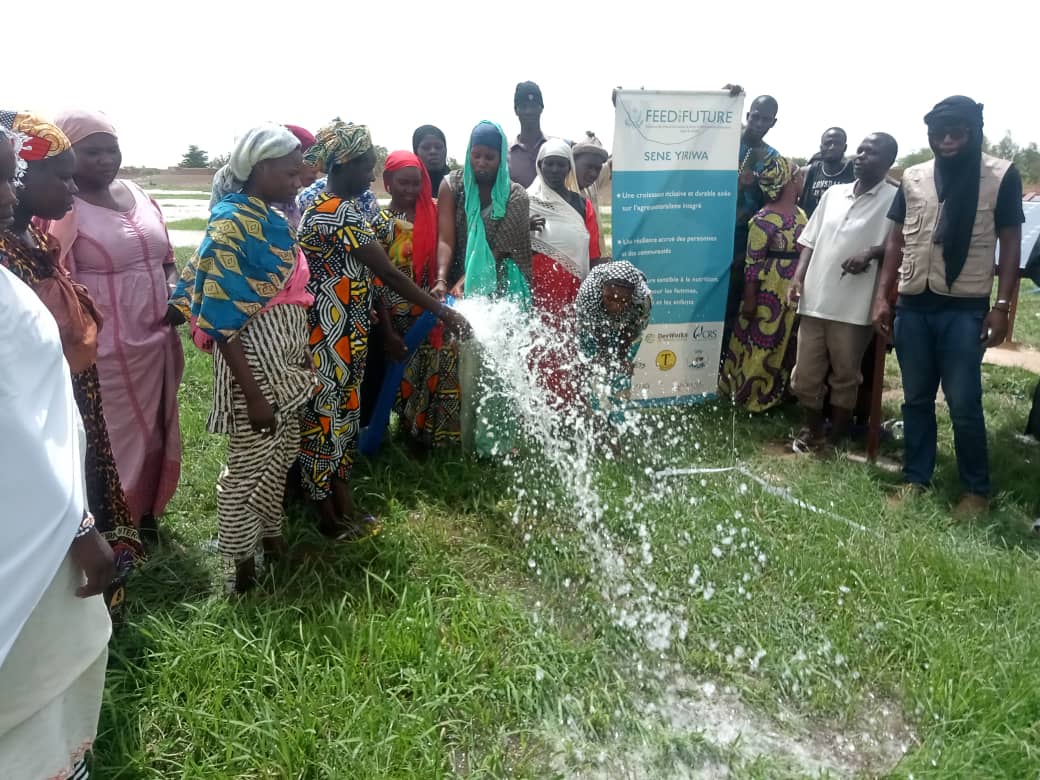
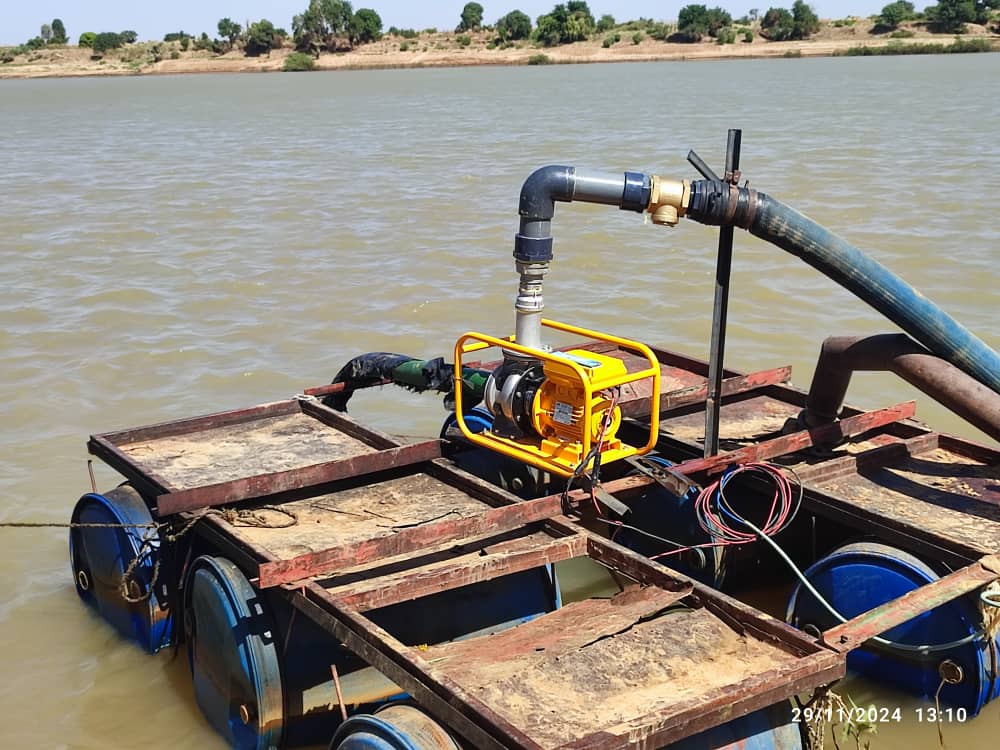
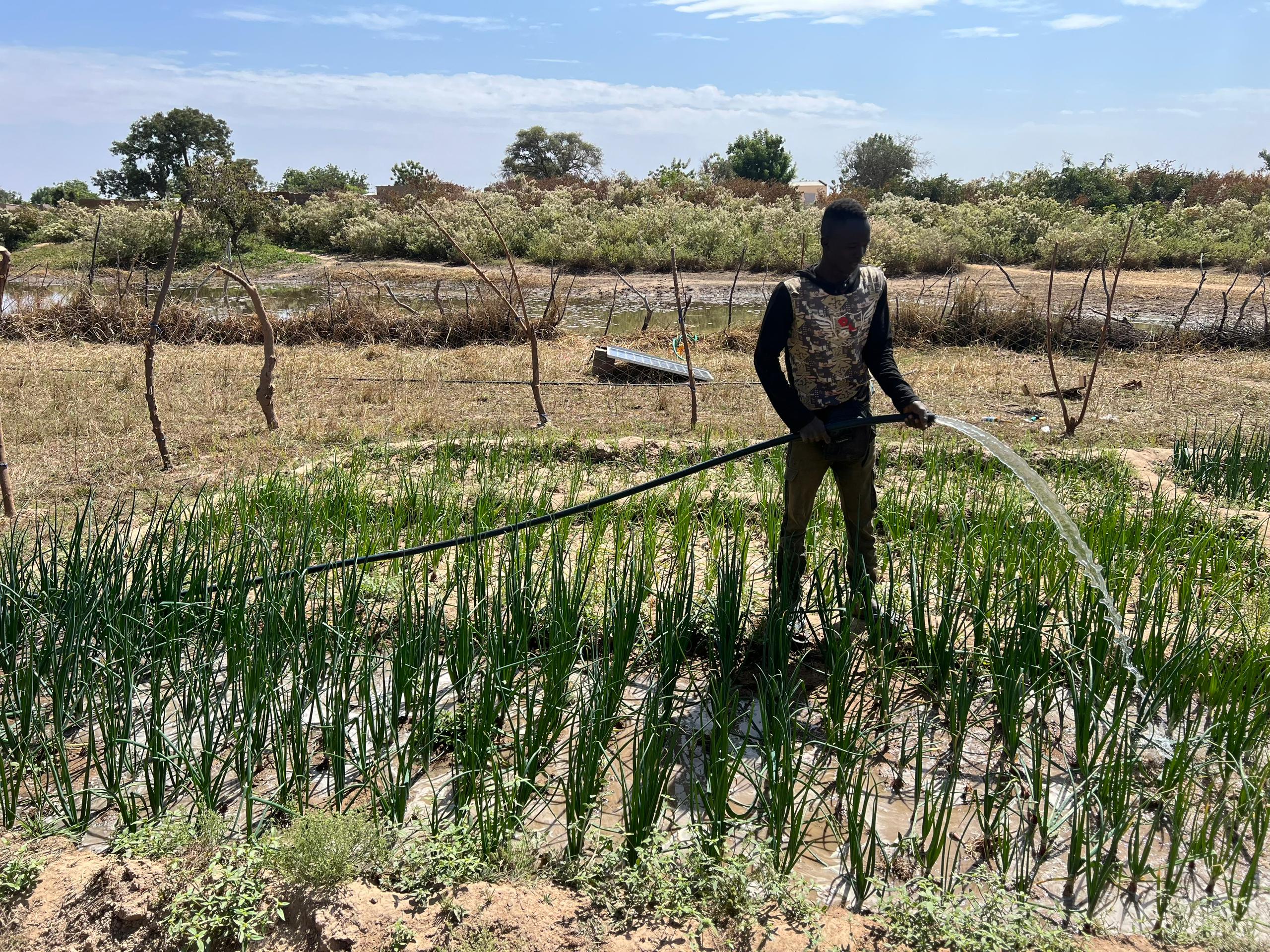
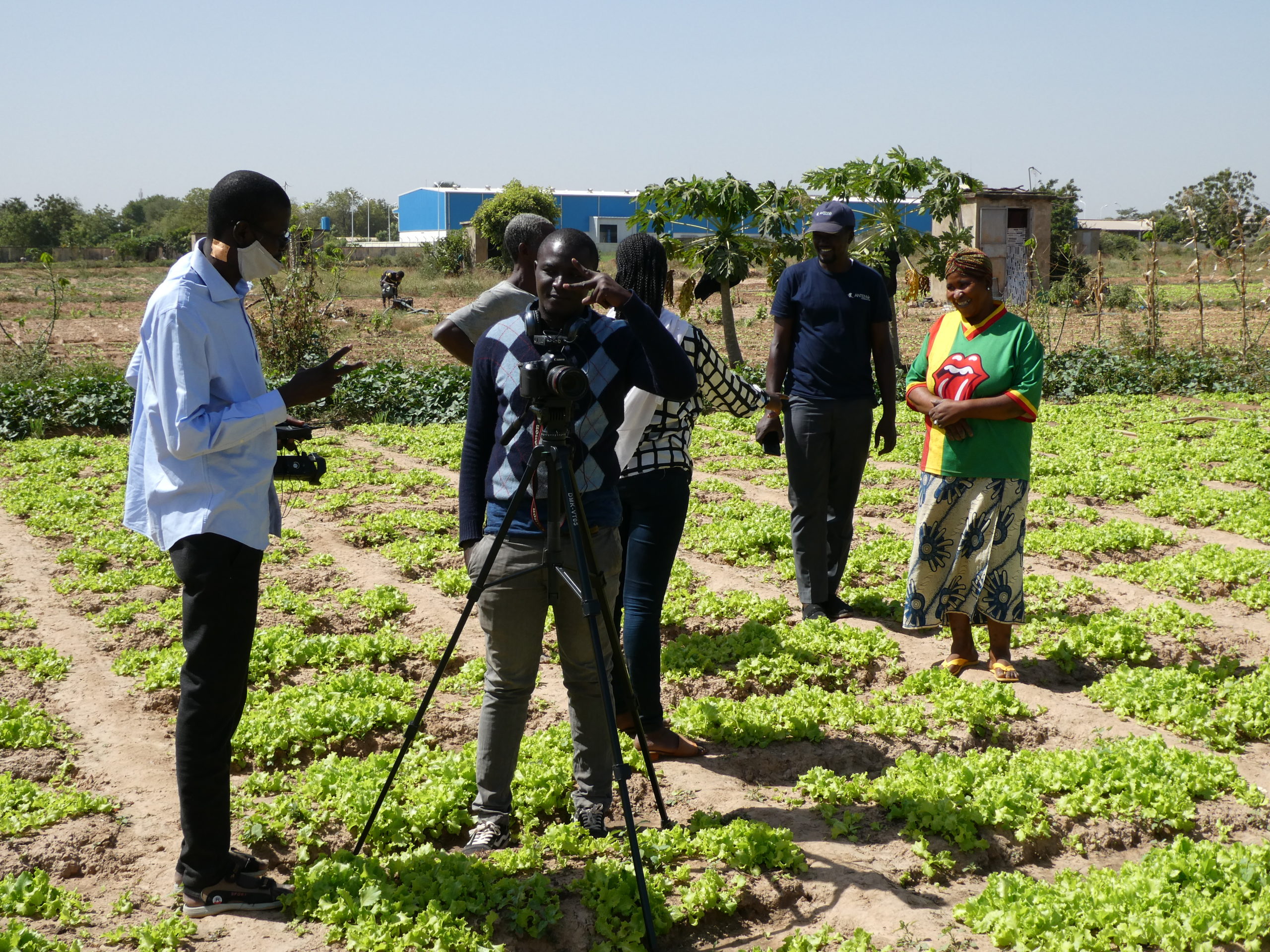
Funded by USAID, the ILSSI project—which stands for “Innovation Lab for Small-Scale Irrigation”—is a project aimed at identifying how access and management of water can help smallholder farmers achieve prosperity, improved water and food security, better nutrition, and greater climate resilience through the distribution of solar-powered pumps.
A collaboration with international agricultural research institutions in Mali aiming to identify the best approach for strengthening the market-based supply of solar pumps to smallholder farmers in Sikasso, Koulikoro, and Bamako; such as IWMI. The aim is to analyze market segmentation, particularly among women farmers, in order to improve marketing strategies targeting “bottom-of-the-pyramid” groups.
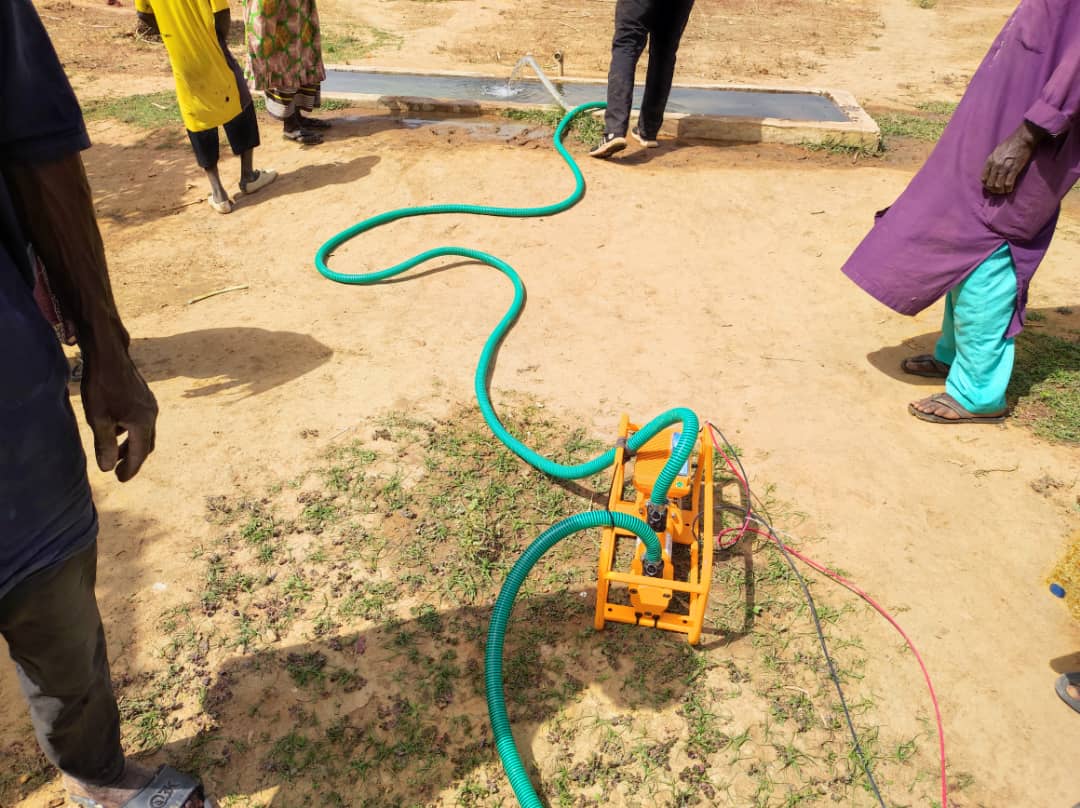
Solar-powered pumps provide households with access to water for multiple uses and can support the commercialization of gardens and reduce the water-related workload for women, while increasing crop yields and product quality.
%
%
%
Partners
Agricultural Solar Technology (AST)
Sikasso, Koulikoro (Mali)
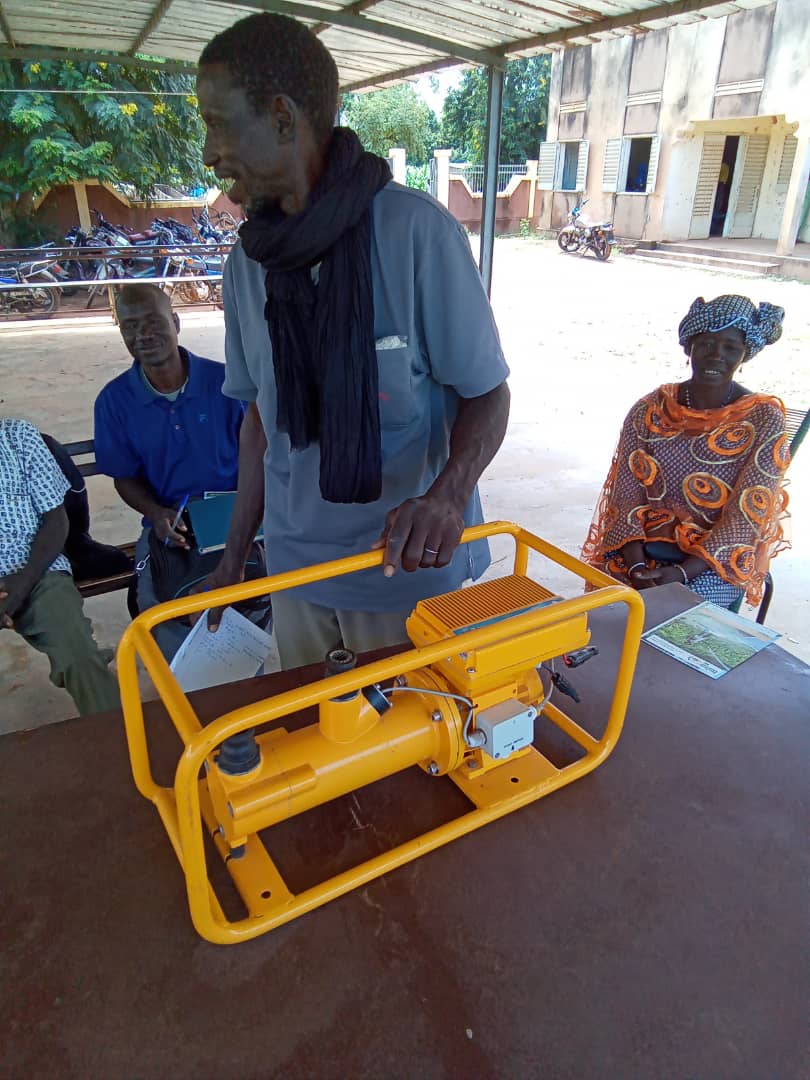
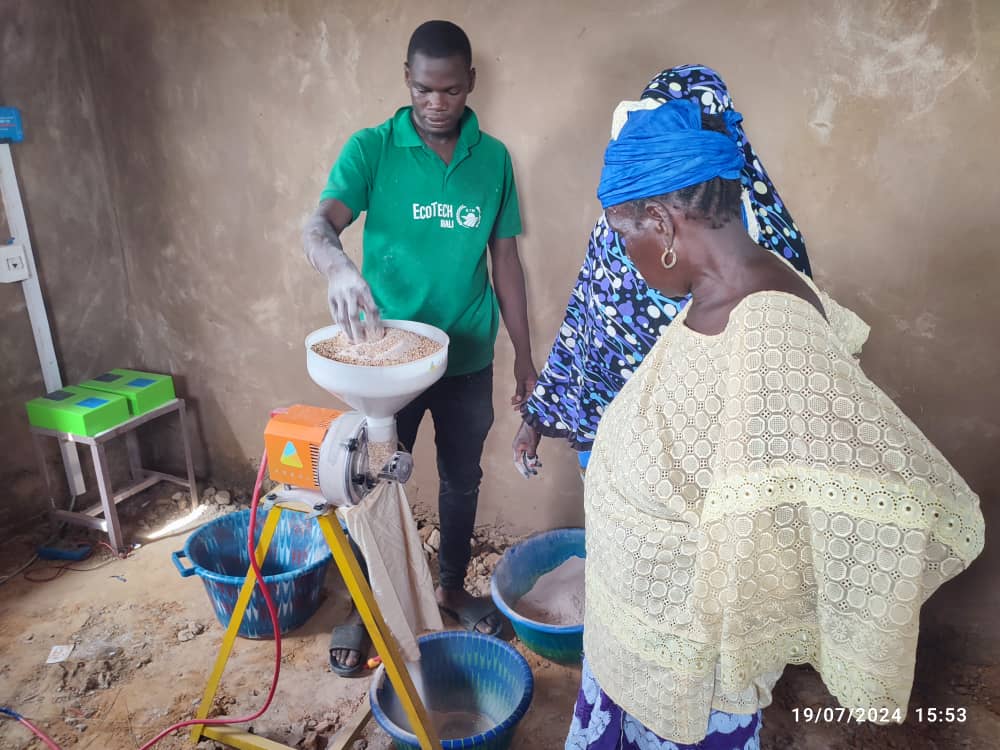
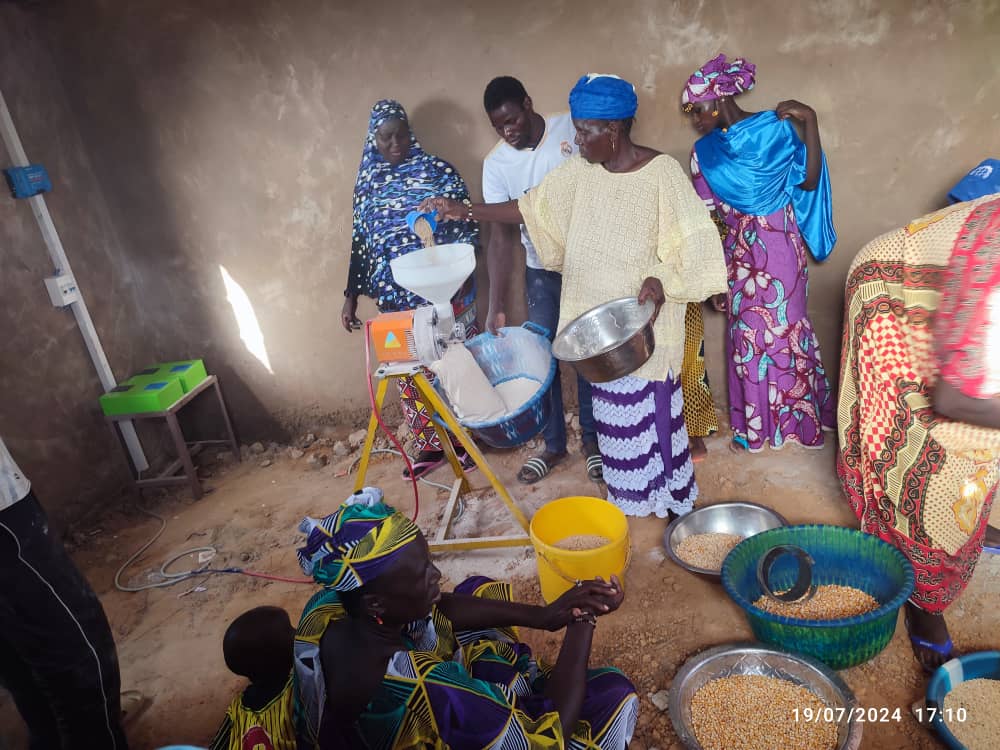
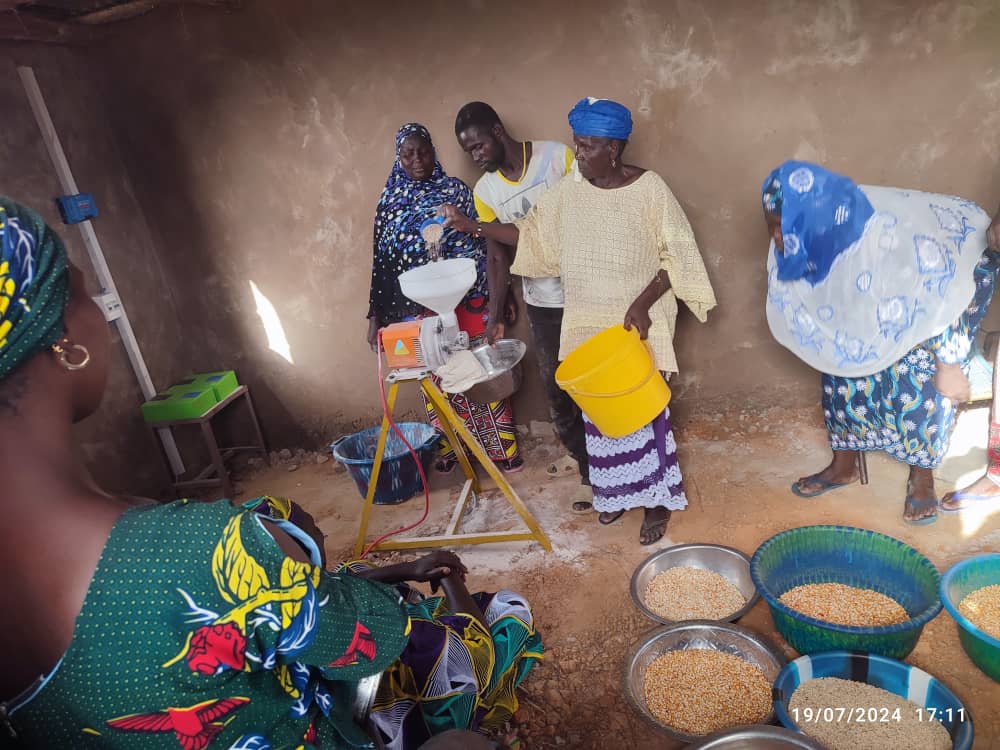
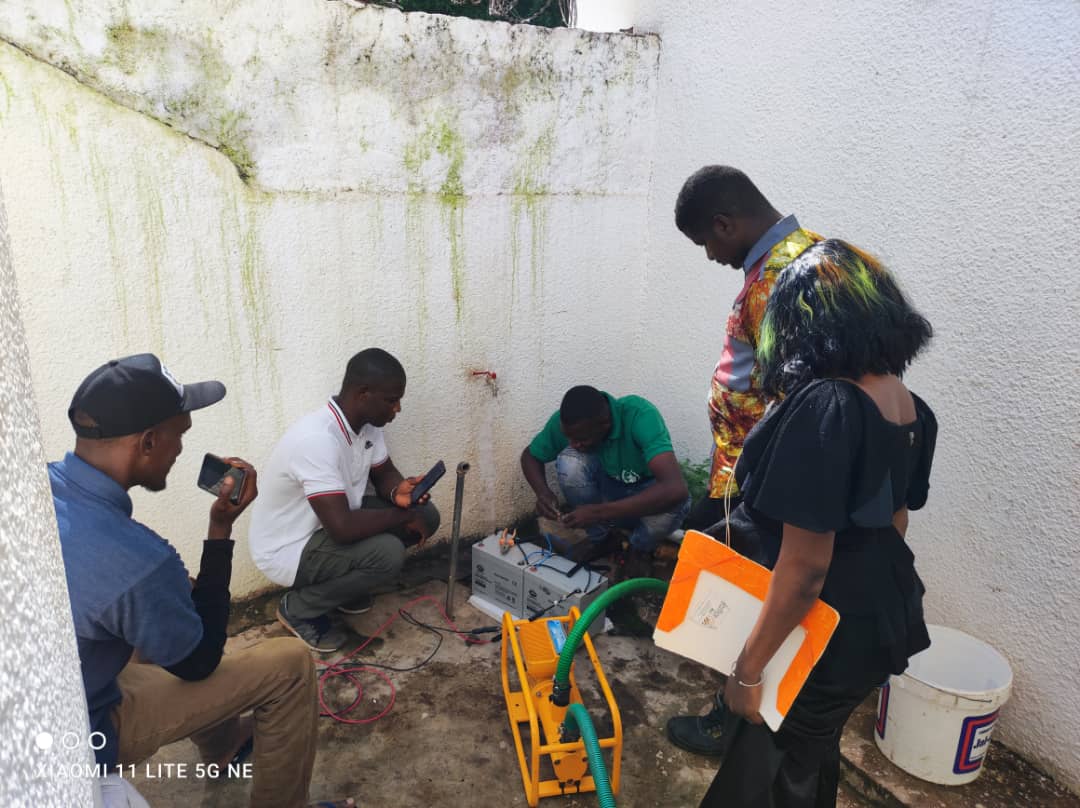
Funded by the Antenna Foundation, AST is a project aimed at strengthening the autonomy of local communities through the distribution of solar technologies for agricultural purposes, such as solar-powered pumps for crop irrigation, solar-powered mills, solar-powered cold storage units, and solar-powered milk collection systems for preservation.
To increase the productivity of farmers’ associations, we identify solar technologies suited to their activities (such as crop farming and livestock raising) in order to enhance their self-sufficiency and energy independence. We focus primarily on making machinery for the processing and preservation of agricultural products more accessible.
ETM works closely with manufacturers to adapt technologies for solar power use and to integrate the Pay-As-You-Go (PAYG) system on which distribution is based. PAYG is a system that allows technologies to be operated and disabled remotely. The technologies are pre-financed by the Antenna Foundation, installed locally, and then gradually repaid by the organizations.
For example, a mill is loaned to a women’s cooperative, which allocates a portion of the revenue it generates toward repaying the loan. If the mill later breaks down and requires major repairs, the installment payment system can be used again through PAYG
Community micro-leasing involves community members in the distribution process. Guarantors are appointed to manage technology loans and repayments. Nonprofits are entrusted with managing technology loans and raising awareness within their networks. This community involvement enables “tailored” dissemination that closely aligns with on-the-ground needs and facilitates scaling up.
This distribution system, based on community dynamics, means that the community is committed to mutual support. For example, if a member is unable to repay their share, the association’s common fund provides assistance. There are prosperous periods, after harvests, during which the associations repay several installments at once. There are also periods during which the kits are blocked by the PAYG system because the collective payment is too far overdue. Kits are blocked in consultation with the associations, when they decide that access to energy is not a priority. Resources are instead allocated to celebrations or to mitigate the effects of poor harvests, for example. The distribution system adapts to the realities of the communities and is made resilient by its flexibility.
%
%
%
Partners
Our Gallery
Our Project Partners